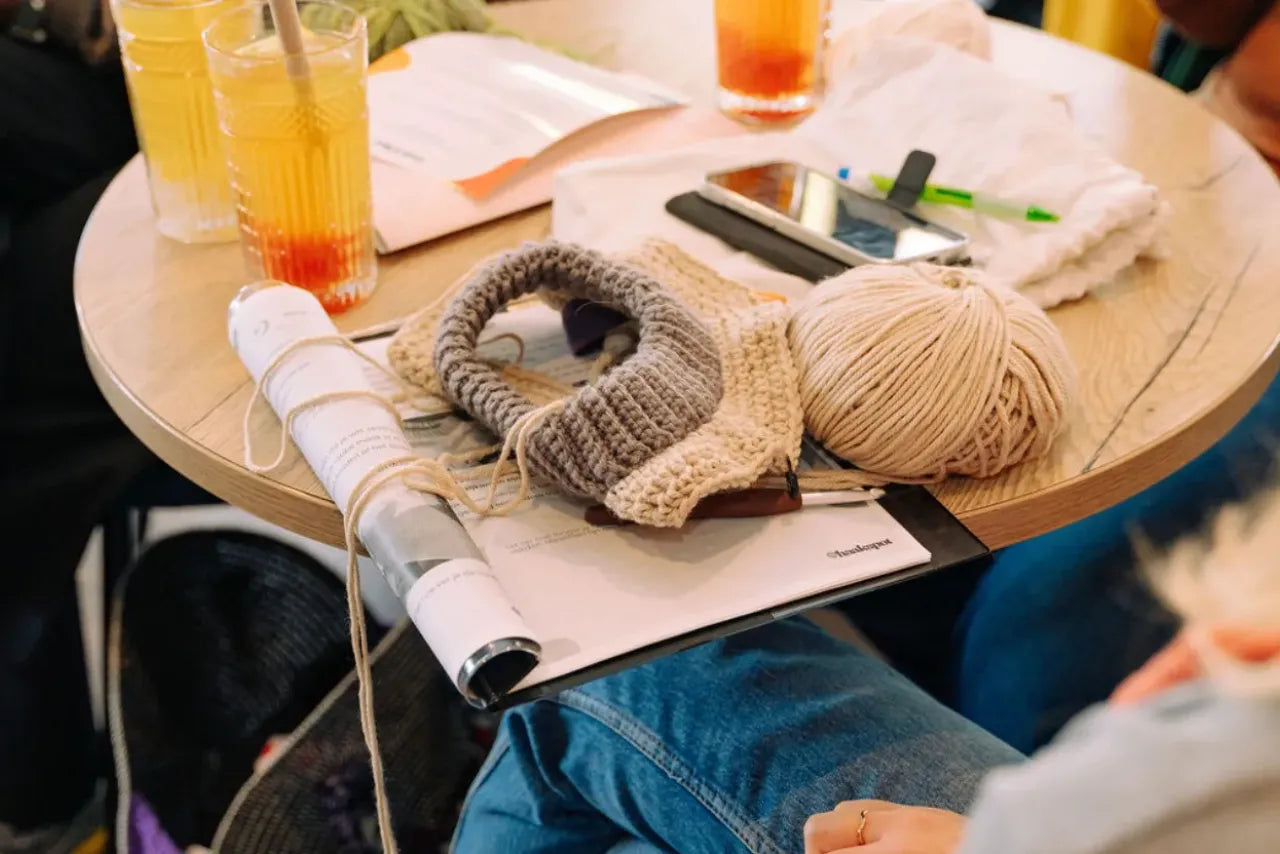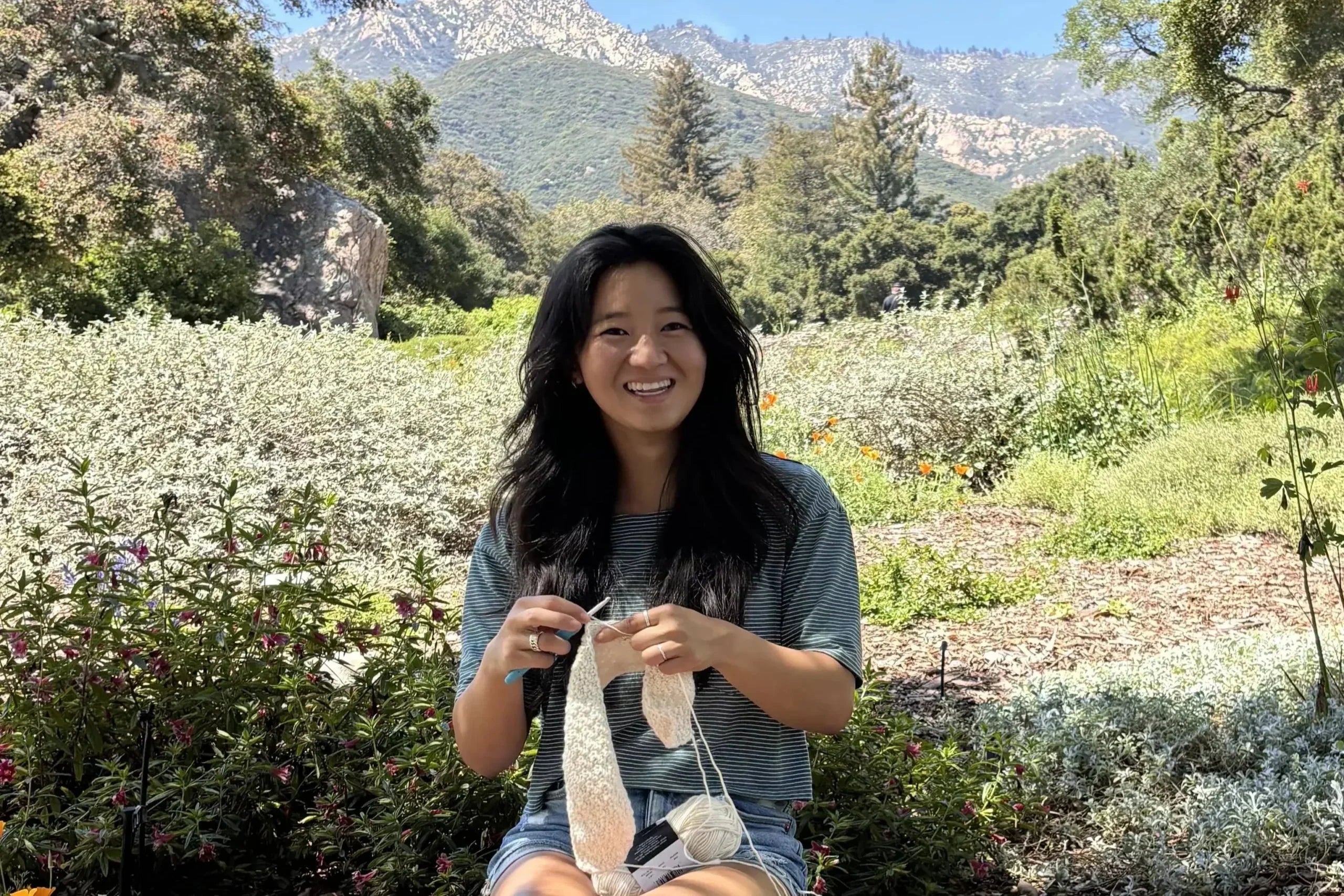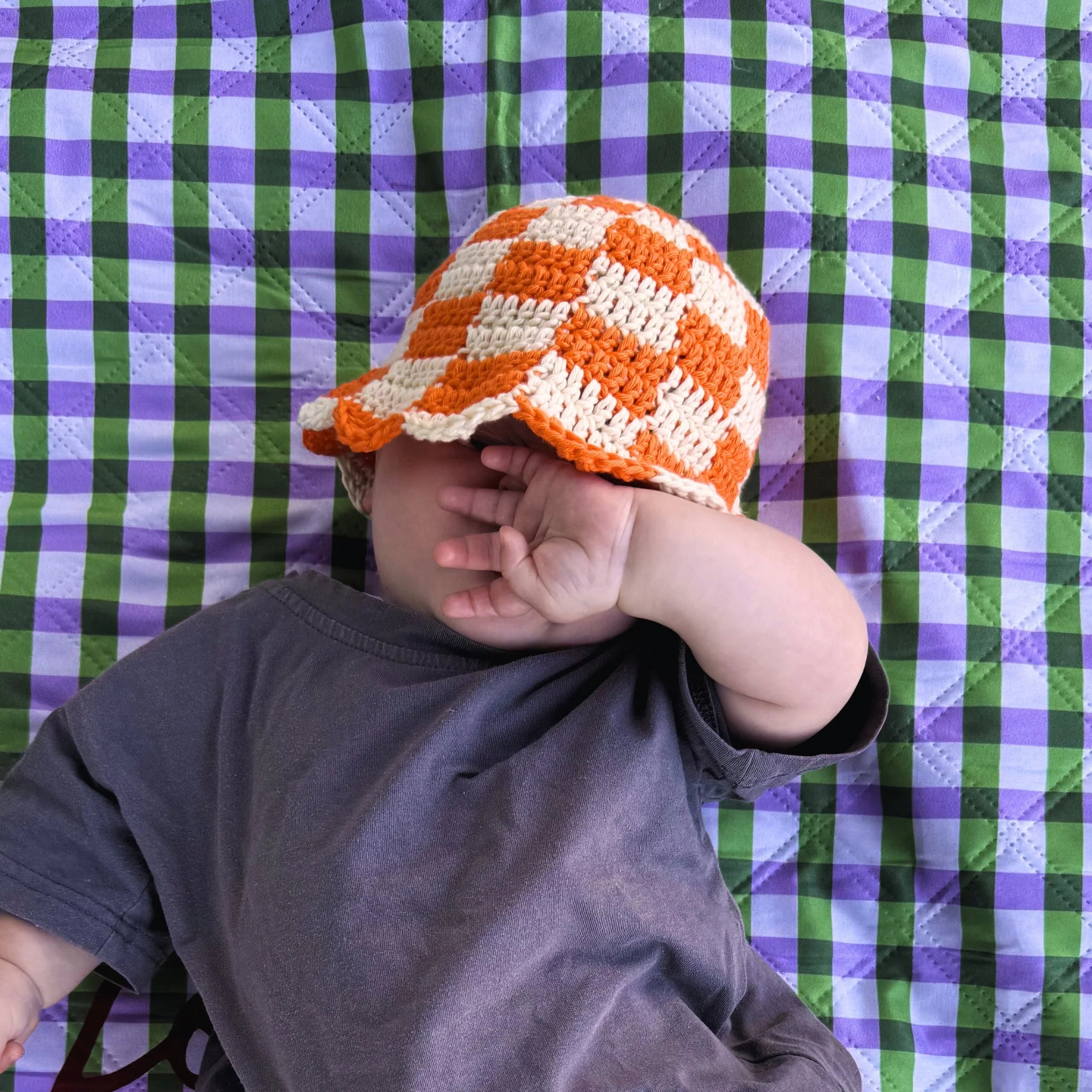
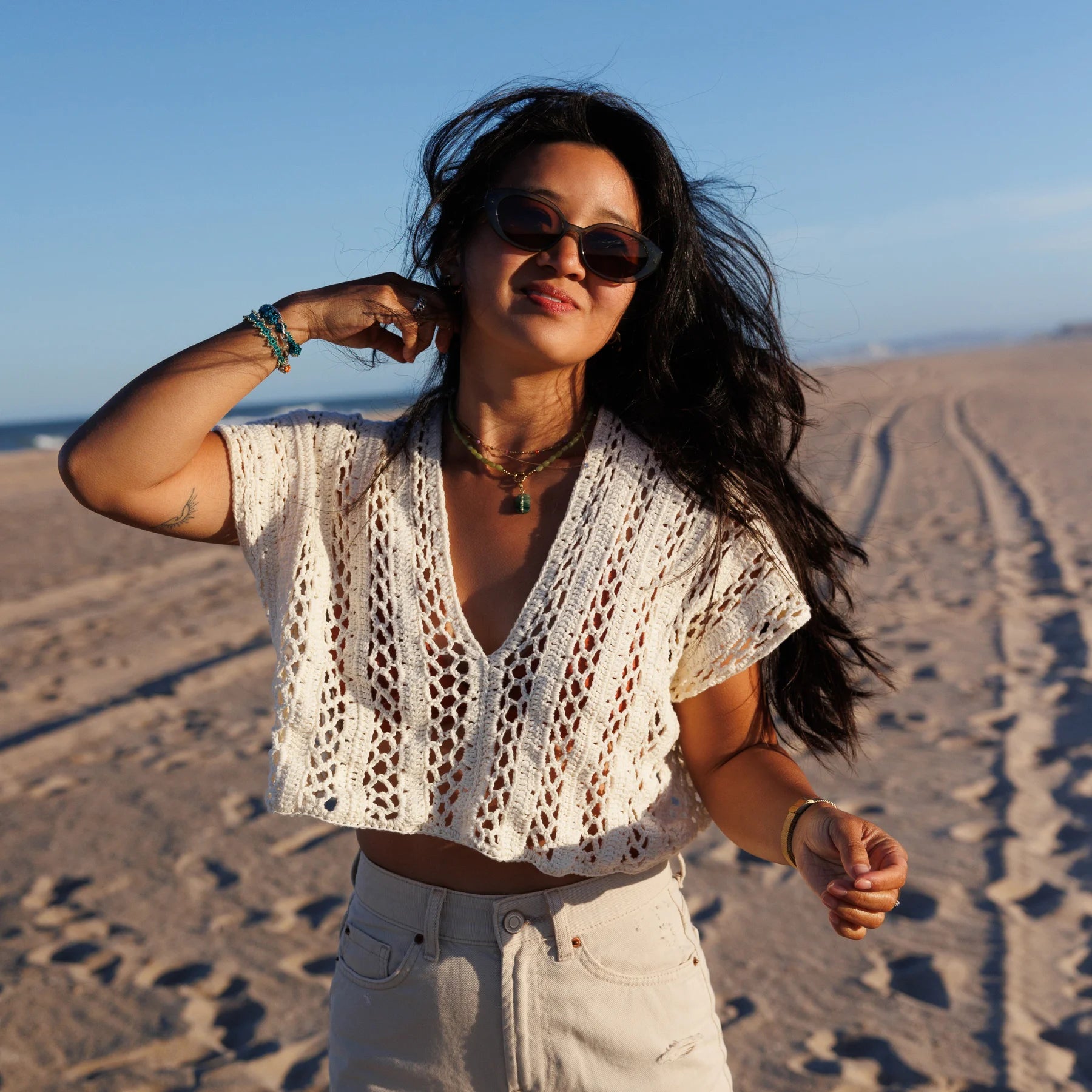

Thinking about how to start crocheting? Lovely! Crochet is a wonderful hobby: relaxing – and sociable too, if you share it with others.
However young or old you are: if I can learn it, so can you. Once you have it in your fingers, you'll be making beautiful things endlessly. Starting out can feel a little overwhelming (I feel you!) because what do you actually need? Don't worry. In this blog I'll explain everything.
What do you need to crochet? The basics
To start crocheting you really only need a few things: a crochet hook, yarn and a bit of patience. Don't be too hard on yourself and treat it as a learning process in which you pick up a new skill. That takes practice. What matters is practicing consistently. A little at a time over a longer period beats hours on a single day. Your brain genuinely needs a moment to process it all.
With the right materials the learning process gets a lot easier, and you'll happily start your first crochet projects – even with no experience at all.
Crochet hooks – which size do you choose?
Crochet hooks come in different sizes. Hook size is given in millimeters. There are hooks of 2 mm, but also 12 mm and even larger. The number of millimeters tells you how thick the hook is.
Thin hooks are perfect when you work with fine thread. For thicker yarn you'll usually need a thicker/larger hook.
Seeing your stitches clearly
No crochet experience at all? Then I'd recommend a 4 mm (US G/6) hook or larger. That one is big enough to see your stitches clearly, and early on that really matters to make the learning process easier.
Also check your yarn label. It usually lists the recommended hook size. In the beginning it's handy to stick to that. Once you've been crocheting longer you can deliberately reach for a larger or smaller hook to get a particular result.
A few extra tips for when you start your first crochet projects:
- Choose a hook that feels good in your hand. Crochet is fun, and if your hands cramp up there's nothing fun about it! Avoid that by buying a hook that feels comfortable and lets you crochet for hours on end without cramping.
- Ergonomic crochet hooks, like the KnitPro Waves, have a special grip. That automatically makes the hook sit better in your hand. And at a wonderfully gentle price!
- A grip on your hook is an absolute must as far as I'm concerned. It means less strain on your hands and wrists and makes crocheting far more comfortable.
- Want to know more about crochet hooks? I go into it in more depth in this blog.
Yarn – which type is best to start with?
Yarn comes in all kinds of weights and materials. When you start crocheting, the right yarn choice has a big influence on how easily and pleasantly you'll work. So which type of yarn is best for beginners? Yarn thickness is often given as a number from 0 (very fine) to 6 (extra bulky). My advice: as a beginner you're best off starting with a medium weight yarn (category 4), suitable for hooks of 5 mm or larger. That way you keep a good overview of your stitches and don't have to work too fiddly.
Besides weight, the material plays a big role. Here are the most common types for beginner crocheters:
Cotton yarn
Cotton is sturdy and usually lets you see your stitches clearly. Perfect for beginners! It's generally not too expensive either, although it really does depend on which cotton you buy. But with most brands you can pick up a ball for a few euros.
Acrylic yarn
Acrylic is soft, warm and often a bit cheaper than cotton. Great to start with, because it doesn't split easily. It is a synthetic yarn though, so think carefully in advance about what you want to make with it. It can be static, or leave you very warm in summer if you use it for a garment.
Wool
Wool is a natural material that is warm and elastic. Softer wools in particular are lovely to crochet with, but be careful not to pick a fluffy wool, because then you won't be able to see your stitches properly.
There are also different kinds of wool. Think merino, alpaca, cashmere and so on. Every kind has different properties, which you'll pick up naturally once you've been crocheting for a while. Generally speaking, wool isn't really a material you start out with.
Start with cotton or acrylic
You can of course start crocheting with wool, but it's pricier than other materials, so I'd always recommend choosing a good ball of cotton or acrylic first and practicing a few stitches. If you really enjoy it, you can always go looking afterwards for a material that suits you and/or your first project!
Preferably choose a light color, because it lets you see your stitches better. Dark colors make it harder to spot and correct mistakes. Been there, done that. 😉
Yarn advice
A yarn I used a lot myself when I was starting out – and still do – is Durable Cosy Fine and Durable Cosy. Both threads are made of cotton as well as acrylic (yes, that's a thing, and they call it a blend), which gives it the best of both worlds: it isn't expensive, it's nice and light, and you can see your stitches clearly.
Want to know more about which yarn suits which type of crochet work best? Then read my in-depth blog about yarn.
Extra crochet supplies for beginners
Got your hook and yarn? Yes! You're almost ready to start crocheting. There are a few more handy supplies that make crocheting even easier. I've lined them up for you:
Stitch markers are ideal for marking the beginning of a round or a special stitch. That helps you count your stitches – and believe me: you want this. In the beginning I thought I could count just fine too, but since I started crocheting I have serious doubts about that 😂. Once you have to count dozens, sometimes even hundreds of stitches, you'll be very grateful to the stitch marker.
- Scissors
A small, sharp pair of scissors is handy for cutting your yarn neatly. Instead of a big pair of kitchen scissors I use a small pair of embroidery scissors.
You use a darning needle to weave in loose ends. That keeps your work looking neat and stops your yarn from coming undone.
- Tape measure
Once you've caught the bug, a tape measure is your best friend. It's especially useful for bigger projects like blankets and clothing, so you know for sure that your crochet project has the right dimensions.
- Crochet patterns for beginners
In the beginning it's nice to follow a crochet pattern. It tells you exactly what you need and what to do. Once you've been crocheting longer you can start experimenting with the techniques you already master and make something of your own.
By following a crochet pattern you learn step by step what to do to crochet lovely tops, bags or accessories.
Can't read patterns yet? Then download my free Dutch e-book ‘Patronen Lezen’. In it I explain simply and concisely how to read your first crochet patterns.
Ready to start crocheting?
Now that you know what you need, it's time to begin your first crochet project. Go ahead and download my free Dutch e-book on reading patterns or take a look at my shop with ready-made crochet kits. These give you both the pattern and exactly the amount of yarn you need to crochet a project. Super handy!
With a bit of practice and the right materials, you'll be making the most beautiful creations too. Happy crocheting!
Want extra help or do you have a question? I'm here for you! Feel free to send me an email at help@yupastudio.com.
P.S. Follow me on Instagram and TikTok for daily crochet inspiration and tutorials.